
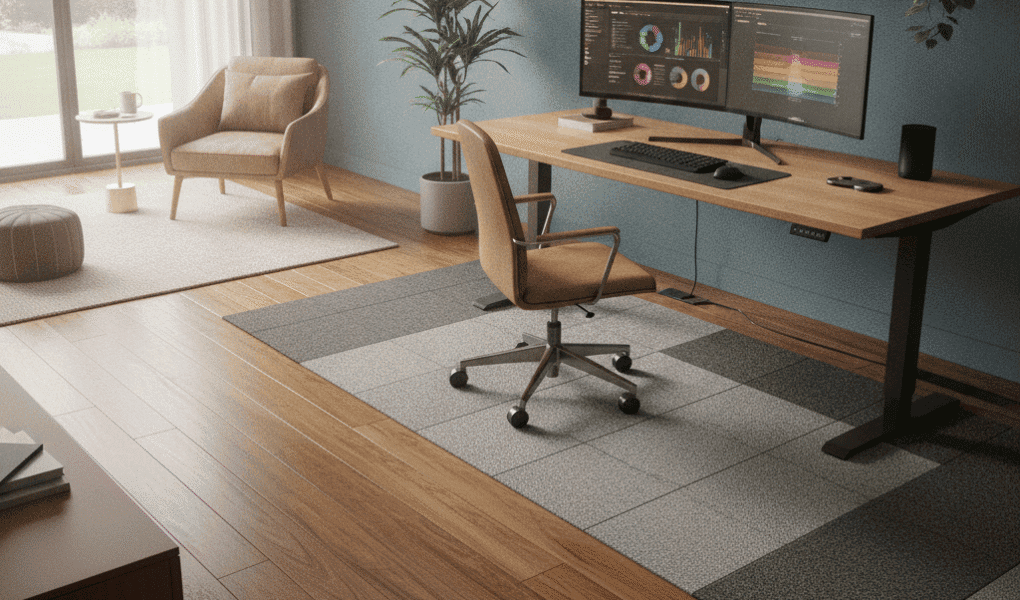
Setting up a home office has become a common practice for many of us. I know firsthand how important it is to create a space that feels right and works well for my daily tasks. When I first started working from home, I focused mostly on the desk and chair but I quickly realized that the floor beneath my feet plays a much bigger role in comfort and productivity than I ever expected.
The right flooring can transform a simple room into a productive and inviting workspace. It is not just about looks. It is about how the floor feels, how it affects sound, and how well it holds up to daily use. Picking the best flooring can make your home office a place where you truly thrive.
I have seen many different setups and I have learned that smart flooring choices are foundational. They support your posture, reduce distractions, and even make your space feel more professional and appealing. This guide will help you consider all the important factors for your own home office upgrade.
Why Your Home Office Flooring Matters More Than You Think
When you spend hours sitting or standing in one spot, the surface under you makes a real difference. Many people overlook flooring in their home office design but it is a critical element. It affects everything from your physical comfort to the overall atmosphere of your workspace.
Think about how your body feels after a long day. Hard, unforgiving floors can contribute to foot fatigue, back pain, and even joint issues over time. This happens because they do not offer any cushioning or support for your body weight. A better choice of flooring can actively reduce these strains, allowing you to focus on your work instead of discomfort.
Beyond personal comfort, flooring also plays a role in the aesthetics and professionalism of your home office. A well-chosen floor can enhance the visual appeal of the room, making it a place you enjoy spending time in. This also helps when you have video calls or clients visiting your home. A neat and thoughtful workspace creates a positive impression.
Ergonomics and Comfort Underfoot
The ergonomic benefits of good flooring cannot be overstated. When I set up my first dedicated home office, I chose a resilient vinyl plank flooring. This option provided a softer surface than the hard concrete underneath. I noticed an immediate reduction in the strain on my feet and legs, especially on days when I used my standing desk.
Proper cushioning can absorb impact and reduce the stress on your joints. This is important for anyone, but especially if you have existing knee or back problems. It allows for longer periods of focused work without the nagging pain that can distract you and lower your output.
Consider how often your office chair moves across the floor. A smooth, compatible surface prevents unnecessary friction and allows your chair to glide effortlessly. This small detail can prevent shoulder and arm strain from constantly adjusting your chair’s position, improving your overall work posture.
Durability and Maintenance: A Long-Term Investment
Your home office floor takes a beating. Rolling chairs, spilled coffee, and everyday foot traffic all contribute to wear and tear. Choosing durable flooring means you will not have to replace it often. This saves you money and hassle in the long run.
I always advise selecting materials known for their resilience. For example, commercial-grade laminate or vinyl plank options are designed to withstand heavy use. They resist scratches and dents better than softer woods or carpets. This robustness ensures your floor looks good for years, even with constant activity.
Ease of cleaning is another huge factor. A floor that requires minimal effort to maintain keeps your workspace tidy and healthy. We want to avoid anything that adds extra chores to our already busy lives. Simple cleaning routines mean more time for actual work or relaxation.
High-Traffic Areas Need Tough Solutions
The area directly under your desk and chair receives the most traffic. This spot needs a floor that can handle constant wheel movement and scuffs. Many traditional flooring types like natural hardwood can show wear quickly in these high-stress zones.
I have seen offices where worn patches appear around the chair area within a year because of poor flooring choices. Materials like luxury vinyl tile or certain types of linoleum are engineered for such conditions. They offer a strong surface that stands up to continuous abrasion without showing significant damage.
Investing in a tougher material for these spots prevents premature deterioration. It also keeps your entire office looking consistent and well-maintained. A small investment in quality flooring can prevent larger repair costs later on.
Spill Resistance and Easy Cleaning
Accidents happen. A spilled drink or a dropped snack can leave lasting marks on many types of flooring. For a busy home office, I look for materials that are highly resistant to moisture and stains. This makes cleanup quick and easy.
For example, porcelain tile or engineered vinyl are excellent choices because they are almost impervious to water. You can wipe up spills without worrying about liquid seeping in or leaving a permanent stain. This feature is particularly valuable if you enjoy a morning coffee or a glass of water at your desk.
Even if you are careful, dirt and dust accumulate. Floors that are easy to sweep and mop simplify your cleaning routine. Materials with smooth, non-porous surfaces prevent grime from building up in cracks or crevices. This helps maintain a cleaner, more hygienic workspace with less effort.
Acoustic Properties and Noise Reduction for Focus
Noise can be a huge distraction in a home office. Whether it is footsteps from other parts of the house or sounds from outside, reducing noise helps maintain focus. The right flooring can absorb sound and make your office a quieter place.
Hard surfaces like tile or hardwood reflect sound waves, making rooms echo and amplifying noise. Softer materials absorb sound. They create a calmer environment that is much more conducive to concentration. This is something I value highly in my own workspace because a noisy environment breaks my focus easily.
When selecting flooring, consider its impact on acoustics. A quieter space helps you think clearly. It also improves the quality of your virtual meetings by minimizing background noise.
Soft Surfaces for Quieter Workspaces
Carpet is an obvious choice for sound absorption. Its fibers trap sound waves, reducing echo and dampening ambient noise. A plush carpet can drastically cut down on noise from footsteps and even voices from adjacent rooms.
However, carpet might not be ideal for rolling chairs. So, I often suggest options like cork or rubber flooring. These materials offer good sound absorption while still being durable enough for office use. They provide a comfortable, quiet surface that supports both your work and your well-being.
Another excellent choice is luxury vinyl plank (LVP) or luxury vinyl tile (LVT) with an acoustic backing. This combination gives you the durability and easy maintenance of vinyl along with significant noise reduction benefits. I have personally found this hybrid solution to be very effective in minimizing noise in my own office.
Underlayment and Its Role
Even with naturally sound-absorbing flooring, an underlayment can enhance acoustic properties. Underlayment is a layer of material placed between the subfloor and the finished flooring. It adds an extra buffer against sound transmission and provides additional cushioning.
Specialized acoustic underlayments are available for various flooring types. For laminate or engineered wood, a dense foam or cork underlayment can dramatically reduce impact noise. This means less clatter from dropped items or foot traffic carrying into other rooms.
When I installed LVP in my office, I opted for a high-quality cork underlayment. It not only improved the sound insulation but also added a subtle springiness underfoot. This made standing for long periods more comfortable and reduced the overall noise level of the space.
Comfort and Ergonomics Underfoot
Long hours spent in a home office can take a toll on your body. The flooring you choose plays a big part in preventing discomfort. A comfortable floor supports your body and keeps you energized throughout the day.
I recall working in an office with concrete floors. My feet and back ached by lunchtime. Switching to a more forgiving surface made a world of difference. It reduced fatigue and helped me maintain better posture, which directly translated to increased productivity.
Considering how much time you spend on your feet or rolling around in your chair, prioritizing underfoot comfort is a smart investment in your health and work performance. It ensures your office is a place where you can comfortably focus on your tasks.
Cushioning for Long Hours
Materials like cork, rubber, or certain types of carpet offer natural cushioning. They absorb some of the impact from standing and walking, easing stress on your joints. This is particularly beneficial if you use a standing desk for part of your day.
If you prefer hard flooring like wood or laminate, adding an ergonomic mat in your standing area is a good compromise. These mats provide a soft, supportive surface where you need it most. They can significantly reduce foot and leg strain.
I often recommend thinking about how your body interacts with the floor. A floor that provides a slight give can prevent muscle stiffness and soreness. It helps keep your energy levels up and reduces the need for frequent breaks due to discomfort.
Seamless Transitions for Mobility
Office chairs need to move easily. A smooth, even surface ensures your chair glides without snagging or getting stuck. This prevents unnecessary strain on your back and arms as you maneuver around your desk.
Carpet can be problematic for rolling chairs, making movement difficult and often leading to premature wear. Hard, smooth surfaces like vinyl, laminate, or polished concrete are usually better for chair mobility. For carpeted offices, a clear chair mat can provide the necessary smooth surface.
When selecting your flooring, consider how well it supports the dynamic movement of an office chair. The easier it is to move, the less physical effort you expend. This contributes to a more fluid and comfortable workflow. You will find more ideas and detailed comparisons to choose the right option by reading this home office flooring guide.
Aesthetics and Your Home Office Vibe
The look of your home office plays a big part in how you feel when you work there. Flooring sets the tone for the entire room. It contributes to the overall ambiance, making it either inspiring or dull.
I find that a well-designed office, including thoughtful flooring, can boost my mood and motivation. It creates a space where I want to spend my time. Choosing a floor that matches your personal style and complements your existing decor is key to achieving this inviting feel.
Aesthetics are not just superficial. They influence your comfort and professionalism. A cohesive and visually appealing office can enhance your work experience and even impress clients during virtual meetings.
Complementing Your Design Style
Do you prefer a modern, minimalist look or a warm, traditional feel? Your flooring choice should align with your aesthetic. For a contemporary office, sleek concrete, large format tiles, or light-colored wide-plank wood can look fantastic.
If your style leans more rustic or classic, dark hardwood, textured laminate, or rich-colored carpets might be a better fit. The goal is to create a harmonious space where every element works together. I have learned that a mismatched floor can disrupt the entire room’s flow.
Think about the colors and textures in your furniture and decor. Your flooring should either blend in or provide a complementary contrast. This creates a visually balanced and pleasant environment for your daily work.
Lighting and Color Play
Flooring color also interacts significantly with your office lighting. Lighter floors can make a small room feel larger and brighter by reflecting more light. Darker floors absorb light, which can create a cozy but potentially smaller-feeling space.
Consider the natural light in your office. If your office has limited natural light, a lighter floor color can help brighten the room without needing extra artificial lighting. This can make the space feel more open and airy, improving your overall comfort.
I always recommend getting samples of your preferred flooring. Place them in your office and observe them throughout the day under different lighting conditions. This helps you visualize how the color and texture will look in your actual workspace, ensuring you make the best decision.
Budgeting for Your Ideal Home Office Floor
Understanding the costs involved is a practical step in any home improvement project. Flooring options vary widely in price so it is important to set a realistic budget. This helps you narrow down choices and find the best value for your investment.
I always consider both the material cost and installation fees. Some high-end materials can be expensive but offer superior durability and longevity. Cheaper options might save money upfront but could require replacement sooner. It is a balance between initial outlay and long-term performance.
A clear budget helps you avoid overspending. It ensures you select flooring that meets your needs without causing financial strain. Think about the overall value the flooring brings to your home office and your daily work life.
Final Thoughts on Smart Home Office Flooring
Choosing the right flooring for your home office is a decision that impacts your comfort, productivity, and the overall look of your workspace. I have learned through my own experience that ignoring the floor is a mistake. The surface under your feet deserves careful consideration because it is much more than just a foundation.
We explored how important durability is, with tough materials standing up to rolling chairs and daily wear. We also talked about how easy maintenance makes your life simpler, giving you more time for focused work. Acoustic properties came up, because a quieter office means fewer distractions and better concentration. Comfort underfoot is also a big deal. It supports your body through long hours and helps prevent fatigue. Finally, the aesthetics of your chosen floor contribute to a workspace where you feel good and stay motivated.
I encourage you to take these insights into account as you plan or upgrade your home office. Think about how each flooring option contributes to a healthy, productive, and inviting environment. Investing in smart flooring choices is truly an investment in your well-being and professional success. Make your home office a space where you can thrive by starting from the ground up.


