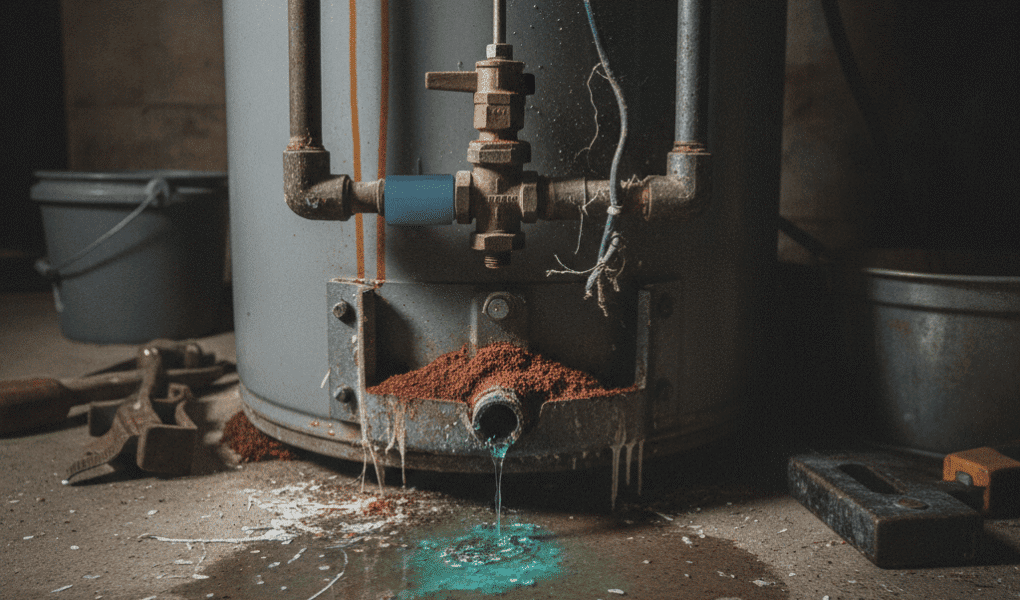
A functional water heater is something we often take for granted. It provides the warm showers we rely on each morning and the hot water needed for clean dishes and laundry. When a water heater starts to act up it can quickly become a major inconvenience and a source of stress.
Understanding first signs your water heater is going bad allows us to address issues before they escalate into costly emergencies. I know from experience that early detection can save homeowners a lot of money and headaches. Catching these problems early can often mean the difference between a simple repair and a full replacement.
I want to help you recognize the subtle and not so subtle indicators that your water heater is nearing the end of its service life. I will discuss the common problems that signal trouble so you can make informed decisions about your home’s hot water system.
Understanding How Water Heaters Begin To Fail
Water heaters do not typically fail overnight. They usually give us warning signs over a period of time. These machines are built to last for many years but their internal components face constant wear and tear from heating water day in and day out. The age of a unit plays a big part in its reliability so it is wise to know how old your water heater really is.
Most conventional tank water heaters have a lifespan of about 10 to 15 years. Tankless models can sometimes last longer perhaps 20 years or more. But these numbers are just averages. How you maintain your water heater and the quality of your local water supply can greatly affect these timelines. Hard water for example can accelerate wear on heating elements and the tank itself because mineral deposits build up inside the tank.
I have seen water heaters that are only a few years old fail because of poor maintenance or manufacturing defects. I have also seen some surprisingly old units that keep running without much trouble. The key is to pay attention to your unit regardless of its age. Regular flushing and anode rod inspection can extend the life of your heater significantly. Neglecting these basic maintenance tasks often leads to premature failure and unexpected breakdowns.
It is important to remember that all mechanical systems have a finite lifespan. Knowing what to watch for helps you prepare for when your water heater begins to fail. This preparation can help you avoid a cold shower on a winter morning. It also prevents the surprise of a large repair bill.
Common Red Flags of a Failing Unit
When your water heater is starting to go bad it will often make its presence known through changes in its operation. These signs can be subtle at first but they grow more pronounced as the unit deteriorates. Many homeowners might dismiss these initial warnings but I always advise them to pay close attention.
Ignoring these symptoms can lead to more serious problems like leaks or a complete loss of hot water. We want to catch these issues early to prevent bigger headaches. Knowing these red flags helps you act quickly.
No Hot Water or Limited Supply
One of the most obvious signs your water heater is struggling is a lack of hot water. If you turn on the faucet and only get cold water or the hot water runs out much faster than usual this is a clear indication of a problem. For tank-style heaters this could mean the heating elements are failing or there is a significant sediment buildup at the bottom of the tank. Sediment reduces the tank’s capacity and insulates the water from the heating element. So it takes longer to heat up and the supply is diminished.
For electric models a faulty thermostat or a tripped breaker can also be the culprit. Gas water heaters might have issues with the pilot light the gas burner or the thermocouple. Sometimes the problem is simple like a thermostat setting change. Other times it is a deeper issue that requires professional attention. I always recommend checking the simple things first. But if that does not fix it then it is time to call an expert.
Strange Noises from the Tank
Have you heard unusual sounds coming from your water heater like rumbling popping or banging noises. These sounds are often caused by sediment buildup in the tank. When water is heated the sediment at the bottom of the tank heats up and cools down at a different rate than the water. This creates pressure and causes small explosions of steam as water is trapped beneath the sediment layer.
This rumbling sound is a sign that your water heater is working harder than it should to heat the water. This extra effort reduces efficiency and puts stress on the tank itself. Over time this can lead to cracks or leaks. Popping noises usually indicate mineral deposits are breaking loose. Hissing sounds might suggest a small leak or escaping steam. Any new or loud noise from your water heater warrants investigation.
Water Discoloration and Odors
The quality of your hot water is a direct reflection of your water heater’s internal condition. Any noticeable change in color or smell coming from your hot tap water is a strong warning sign. These issues are not just unpleasant but can also indicate serious internal corrosion or bacterial growth within the tank.
Rust Colored Water
When you see reddish or brownish water flowing from your hot water tap it usually means there is rust inside your water heater tank. This is a very common sign of an aging unit. The protective lining inside the tank can degrade over time exposing the metal to water. This metal then rusts. This rust can contaminate your hot water supply.
Rust in your hot water indicates that the integrity of the tank is compromised. It means the tank might be nearing the point of leaking. If you only see discolored water from the hot tap but the cold water is clear then the water heater is almost certainly the source of the rust. If both hot and cold water are discolored the issue might be with your home’s main water supply or plumbing system. But if it is just hot water it is time to consider replacing your water heater.
Smelly Water
A rotten egg smell coming from your hot water is another clear indication of a failing water heater. This unpleasant odor is typically caused by harmless bacteria reacting with the anode rod inside the tank. The anode rod is designed to protect the tank by corroding itself instead of the tank metal. But in certain water conditions especially with softened water it can create hydrogen sulfide gas.
This gas produces the distinctive sulfur smell. While the bacteria itself is not usually harmful it suggests that the water heater environment is fostering bacterial growth. This can happen if the water heater has been idle for a while or if the temperature is set too low. Sometimes flushing the tank or replacing the anode rod can fix the problem. But it can also be a sign of a tank that is too far gone and needs replacement. I always recommend having a professional assess the situation to determine the best course of action.
Leaks and Puddles Around the Tank
Finding water around your water heater is one of the most alarming signs of trouble. Even small puddles can point to serious underlying issues that require immediate attention. Ignoring a leak can lead to significant water damage to your home and possibly mold growth so it is important to address these promptly.
I have seen many cases where a small drip turned into a catastrophic flood. Many people think a tiny leak is not a big deal. But any leak at all means the tank’s integrity is compromised. This is a crucial indicator that your water heater is beginning to fail.
Signs of Active Leaks
If you see water actively dripping from the tank or forming small puddles at the base it is definitely a sign of concern. Leaks can originate from several places on the water heater. The pressure relief valve might be dripping if the water pressure in your system is too high. Connections to the hot and cold water lines can also loosen over time leading to drips. The drain valve at the bottom of the tank can sometimes leak if it is not fully closed or if its seal is worn out.
However the most concerning leaks are those coming directly from the tank itself. This usually means the inner steel tank has corroded or developed cracks. A tank leak is usually not repairable and necessitates a full water heater replacement. This is why it is so important to routinely check around your water heater for any signs of moisture. A little maintenance goes a long way.
Significance of Even Small Leaks
A small leak might seem minor but it points to a significant problem inside the tank. As the tank ages the constant expansion and contraction of the metal due to heating and cooling can cause stress fractures. Sediment buildup also plays a role. It can settle at the bottom of the tank and cause localized overheating which weakens the metal. This eventually leads to small cracks that leak water.
Even a tiny leak means the tank is slowly deteriorating. It is a sign that the end is near for your water heater. Water heater tanks are under constant pressure. So a small crack will almost certainly grow larger over time. This makes a complete tank failure inevitable. When I see even a minor leak I tell homeowners to start planning for a replacement. It is better to be prepared than to face an emergency.
Inconsistent Water Temperature
A properly functioning water heater should deliver a consistent supply of hot water at your desired temperature. If you find your showers turning lukewarm unexpectedly or the water temperature fluctuating wildly it is a strong signal that your water heater is no longer performing as it should. This inconsistency can be frustrating but it is also a key symptom of underlying issues.
I understand how annoying it is to step into a shower and have the water suddenly turn cold. This often points to a unit that is failing to keep up with demand or has internal components that are starting to give out. We want reliable hot water in our homes.
Lukewarm Water
When your hot water is only lukewarm it could mean the heating elements or burner are struggling to heat the water to the correct temperature. For electric water heaters a faulty heating element might not be generating enough heat. For gas units a partially clogged burner or an issue with the gas supply could reduce heating efficiency. Sediment buildup inside the tank also contributes to lukewarm water because it creates a barrier between the heating element or burner and the water. This means it takes more energy and time to heat the water making it less effective.
Sometimes the issue is as simple as an incorrect thermostat setting. So it is always worth checking that first. But if the thermostat is set correctly and you are still experiencing consistently lukewarm water it is likely a sign that your water heater is becoming less efficient and struggling to perform its basic function. This reduced efficiency can also translate into higher energy bills.
Sudden Temperature Changes
If your water temperature suddenly changes from hot to cold during use or fluctuates noticeably this suggests a problem with the unit’s ability to maintain a steady temperature. This might be due to a failing dip tube which is responsible for directing cold water to the bottom of the tank to be heated. If the dip tube is broken or corroded cold water mixes with the hot water at the top of the tank. This makes the hot water supply seem to run out much faster.
Another cause for sudden temperature changes could be a malfunctioning thermostat which is struggling to regulate the heating cycle. For tankless water heaters sudden temperature drops might indicate issues with the flow sensor or the heating mechanism itself. These inconsistencies are more than just an annoyance. They are a sign that your water heater is losing its capacity and efficiency.
Increased Energy Bills
Nobody likes to see their utility bills climb especially when there is no clear reason. An unexpected increase in your energy consumption without a change in usage habits can often be attributed to an inefficient water heater. These appliances are major energy users in our homes so when they start to fail their inefficiency becomes noticeable in your monthly expenses.
I always tell people that their utility bill is often the first silent alarm that something is wrong with an appliance. A failing water heater has to work much harder to provide the same amount of hot water it used to. This extra effort requires more energy leading to higher operating costs.
How an Inefficient Heater Impacts Costs
As a water heater ages it becomes less efficient for several reasons. Sediment buildup is a primary culprit. The minerals accumulate at the bottom of the tank forming an insulating layer that prevents heat from transferring effectively to the water. The heating element or burner then has to run longer to reach the desired temperature. This extended run time consumes more electricity or gas than necessary.
Another factor is a degrading anode rod which means the tank is more susceptible to corrosion. This can affect the tank’s ability to retain heat. Poor insulation around the tank or pipes also contributes to heat loss forcing the unit to reheat water more frequently. All of these factors combine to make your water heater a less efficient and more costly appliance to operate. You are essentially paying more money for less effective performance.
What to Check If Bills Suddenly Go Up
If you notice a sudden spike in your energy bills and suspect your water heater is the cause there are a few things to consider. First rule out other major energy consumers in your home like an old air conditioning unit or a leaky window. Once you have narrowed it down to the water heater consider its age and recent maintenance history. If it is over 10 years old and has not been flushed in a while sediment buildup is a likely contributor to the increased costs.
You can also check the temperature setting on your thermostat. Sometimes it gets accidentally bumped higher than needed. If you have ruled out these simpler causes then the increased bill is a strong indicator that your water heater is failing and struggling to perform its job efficiently. At this point a professional assessment can confirm if replacement or repair is the most economical solution.
When to Call a Professional for Help
Recognizing the signs of a failing water heater is an important first step. But knowing when to call in a professional is even more critical. While some minor issues might be simple fixes most water heater problems require expertise and specialized tools. Attempting complex repairs yourself can lead to further damage serious safety risks or even void your warranty.
I always advise homeowners to prioritize their safety and the longevity of their home systems. A professional plumber has the experience to diagnose problems accurately and provide the most effective solutions.
Why DIY Is Often Not the Best Idea
Water heaters involve a combination of electricity gas and pressurized water which can be dangerous if not handled correctly. Improperly working with gas lines can lead to leaks and fire hazards. Mishandling electrical components can cause shocks or system damage. Even draining a tank incorrectly can result in scalding water or flooding. There are also specific codes and regulations that must be followed for installations and repairs.
I have seen many DIY attempts that ended up costing the homeowner more money in the long run. They try to fix something and they inadvertently create a bigger more expensive problem. A professional plumber is licensed insured and trained to handle these systems safely and effectively. They know the correct procedures and have the right equipment to ensure the job is done right the first time.
The Value of Professional Assessment
When you call a professional they will perform a thorough inspection of your water heater. They will check all components including the heating elements thermostats pressure relief valve anode rod and connections. They can accurately diagnose the source of any strange noises leaks or temperature inconsistencies. This comprehensive assessment allows them to determine whether a repair is feasible and cost-effective or if replacement is the better option.
They can also advise you on the best type of replacement unit for your needs and budget. This includes discussing energy-efficient models or tankless options. Investing in a professional assessment saves you from guessing games and potential dangers. It ensures you get an expert opinion to make the most informed decision about your hot water system.
The End of the Line for Your Water Heater
As we have explored there are many signs that tell us how water heaters begin to fail. From strange noises and discolored water to unexpected leaks and climbing energy bills each symptom is a whisper or a shout from your appliance saying it needs attention. Ignoring these warning signs can lead to uncomfortable cold showers and potentially expensive water damage to your home. It is so much better to be proactive rather than reactive when it comes to home systems like your water heater.
I truly believe that understanding these common indicators empowers you as a homeowner. You can take control of the situation before it becomes an emergency. Regular maintenance such as flushing the tank and checking the anode rod can extend the life of your unit. But even with the best care every water heater eventually reaches the end of its useful life.
When you observe these warning signs do not hesitate to reach out to a qualified plumbing professional. Their expertise provides a safe and accurate diagnosis. They will help you weigh the costs and benefits of repair versus replacement. Investing in professional service ensures that your home continues to have a reliable hot water supply for many years to come. Do not let a failing water heater catch you off guard.