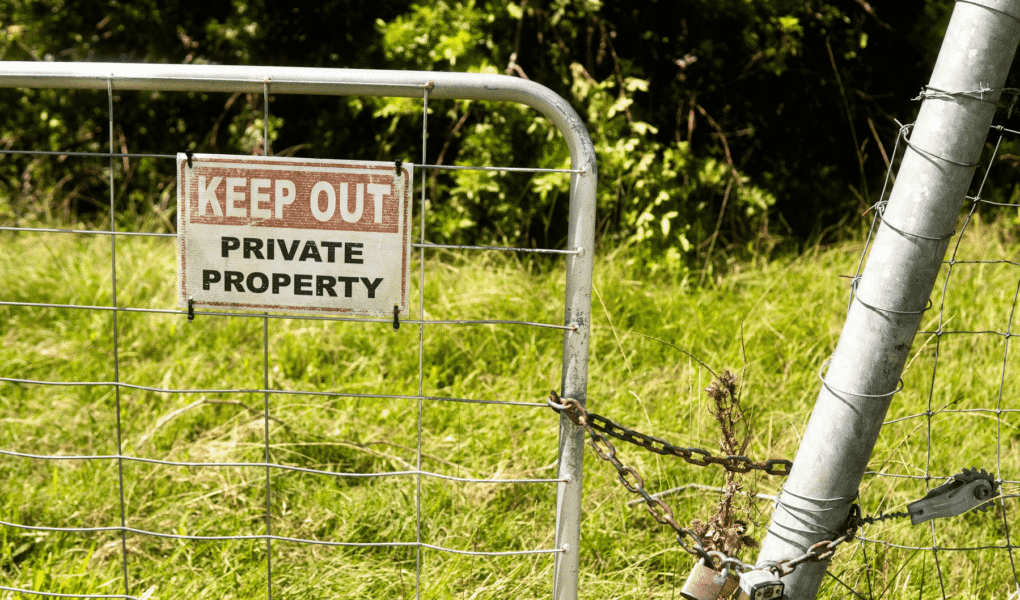
Living far from the nearest town gives real freedom. Quiet mornings and open land are the reasons many of us chose the countryside. When a parent, child or other relative lives on a long gravel road, though, distance can make everyday worries feel heavier. Many families I talk with describe that weight, and it rarely goes away on its own.
In my work covering remote travel and practical everyday living, I have found that rural safety rarely depends on one big decision. It comes from many small habits that support each other. The steps that matter most cover communication, the home, medical emergencies and local support. We kept each part practical so you can start with one area and add the rest over time.
If you have someone who lives far away, these rural living safety tips for families who live far away can help you plan ahead. Start with the section that matches your biggest concern, then work through the rest as time allows. Each part stands on its own, so you can return to it when a need changes. Keep a printed copy of your contact list nearby as you read.
Understanding the Safety Gap That Distance Creates
Distance changes how quickly help can arrive. In town, an ambulance or a neighbor may reach a home within minutes. On a rural property, the same call can take much longer. In my experience, most families underestimate that difference until they need help, and that gap is where any good family safety plan begins. Accepting that gap early makes it easier to plan around it.
Most rural emergencies start with ordinary moments. A fall in the barn, sudden chest pain or a car that won’t start after dark can all turn serious when no one is nearby. Knowing these common situations helps a family decide what to prepare for first. I would list them on paper so everyone in the household sees the same picture.
Common Risks for Older Family Members
Older relatives often want to stay in their own homes and keep their independence. That goal is reasonable, though it also means a fall or illness could go unnoticed for hours. Regular check-ins and a clear plan for falls can lower that risk. Younger family members face different challenges, such as long drives on unpaved roads and spotty cell coverage, so I talk with each person about what worries them most.
Setting Up Reliable Communication and Check-Ins
Good communication is the foundation of rural safety. A family should agree on how often they check in, which method they use and what happens when someone misses a call. Simple agreements prevent a great deal of worry. In my experience, families who settle these details early spend far less time guessing when the phone goes quiet. That habit matters more than the tool itself.
I find that a daily check-in works well for most households. It can be a phone call or a text message, and a quick video chat works just as well for some families. Keep the routine simple so it holds up during busy seasons. The point is to notice changes early, so a missed call or a flat tone of voice becomes an early signal.
Automatic alert tools can add another layer of support when a person cannot reach a phone. For families looking at this type of option, a rural medical alert choice can be a helpful starting point. It is worth a look if you want a structured way to think through your options before deciding what fits your household. Test the signal in the spots where you will need it most. Keep a paper copy of your phone list near the main phone too, because power outages can knock out digital devices.
Preparing the Home and Property for Emergencies
A safe home is easier to protect when it is laid out well. Clear paths between rooms and sturdy handrails on steps help prevent accidents. Good outdoor lighting helps too, especially on the route from the door to the car. I would also remove loose rugs, clutter and cords from high-traffic areas, since tripping causes a surprising number of injuries in homes.
Smoke and carbon monoxide detectors matter even more when fire crews are far away. Test them monthly and replace batteries on a set schedule. Keep fire extinguishers near exits and check their pressure gauges. I mark these checks on a shared calendar so nobody has to remember them alone.
Sheds and barns often hold tools, fuel and chemicals. Lock them when they are not in use and store dangerous products out of reach of children. A visible house number at the road entrance also helps responders find your home quickly. Gates and driveways deserve attention too, since a reflective mailbox or solar light at the turnoff can guide visitors at night. Plan a second exit from the bedrooms as well, and keep that route clear of boxes and tools.
Planning for Medical Emergencies and Response Times
When help is far away, preparation saves time. Families should know which hospital is closest and which route stays open during bad weather. Writing these details down takes the guesswork out of a stressful moment. Include the drive time as well so the number is ready when you need it. I would keep the list beside the main phone, so anyone in the home can read it aloud to a dispatcher.
I recommend driving the route to the nearest clinic at least once with the person who might need it. Time the drive on a normal day and again at night. That practice gives everyone a realistic sense of the response window. Night driving on gravel often takes longer than the same trip in daylight, so the second run matters as much as the first.
Keeping Health Records Ready
Create a single folder with medication lists, allergies, doctor names and insurance details. Store a copy in the home and another with a trusted neighbor. Add vaccination dates and a recent photo of the person to make identification faster for responders. Update the folder after every prescription change, since an outdated medication list can cause as many problems as having no list at all.
Stocking Emergency Supplies and Vehicle Readiness
Supplies should last several days because roads can close after storms or heavy snow. A well-stocked kit gives a household room to wait safely until help arrives. I suggest checking that the can opener works before you need it, since a dead one turns a simple meal into a problem.
Start with these core items.
- Bottled water and non-perishable food for at least three days
- A first aid kit with bandages, gauze and antiseptic
- Prescription medications with a week of extra supply where possible
- A battery-powered or hand crank radio
- Flashlights, spare batteries and a backup phone charger
Vehicles need equal attention on dirt roads. Keep the fuel tank above half, carry a shovel and check tire pressure monthly. A blanket and warm clothing can make a long wait far more comfortable. Rotate food and water every six months so nothing expires in the pantry.
Share the supply location with family members. Everyone should know where the kit sits and when it was last checked. Pack a small bag for the vehicle with snacks and warm gloves as well. We keep a written note with the date of each check so the next person can see what needs replacing.
Staying Connected With Neighbors and Local Services
Rural communities often look out for one another. Building those ties before an emergency makes a real difference when something goes wrong. Introduce yourself, exchange phone numbers and offer help with chores or deliveries. Identify two or three neighbors who live within a short distance, and ask whether they can check on your relative or respond during an emergency. Share your plan with them so they know what to do.
Simple gestures build trust over time. A meal after surgery or a ride to the clinic can strengthen the bond between households. When you return the favor, the relationship grows for everyone involved. The neighbors who help most are usually the ones we already know by name. Ask them about their own needs too.
Local services help too. Volunteer fire departments, sheriff offices and utility companies often publish contact details and outage updates. Save these numbers in your phone and on your paper list. Ask your county office whether it offers emergency notification alerts, since many areas send text or phone warnings about severe weather and road closures. After each season, update your notes with what you learned, such as which neighbor has a generator and which road tends to flood in spring.
Bringing It All Together for Your Family Far Away
Rural safety depends on planning and steady habits. Start with a daily check-in routine and a supply kit that stays current. Each step adds a layer of protection that makes distance feel less overwhelming. Families who practice these habits often find their plans feel natural within a few months.
Pick one or two tasks from this guide and finish them this week. Call the neighbors, print the contact list and test the smoke detectors. Then set a monthly review so the plan keeps pace with changing health needs and seasons. A few steps you keep up will protect your family better over time.
If you want a practical place to begin with automatic support, look again at the option mentioned earlier in this guide and see whether it fits your household. Bring your family into the decision so everyone understands the plan. Talking through the details together will make the choice easier.
At Cuanto y Porque Tanto, we will keep sharing practical guides for people who travel, relocate and care for loved ones who live far away. Each guide will stay plain and useful, with steps you can take this week. Take the first step today and give your family a clearer, safer plan for the miles between you.